Smart Home Automation Australia | Expert Guide & Reviews

Complete smart home guide for Australian homes... Expert insights, honest comparisons, and practical advice

Thinking about making your home smarter? You're in the right place. We cut through the confusion and show you exactly what works, what doesn't, and why it matters for your daily life.

Start Your Smart Home Journey

Smart Home Technology Comparison

Not all smart home tech is created equal. Here's what you need to know about the three main options.

📶

WiFi Smart Devices

The most common option - your devices connect directly to your home WiFi network.

What's Good

  • Easy to find in stores
  • Usually cheaper upfront
  • Works with your existing router

The Reality

  • Clogs up your WiFi network
  • Drops offline frequently
  • Privacy concerns with cloud dependency
  • Range issues in larger homes
🌊

Z-Wave

Another mesh network option, popular in the US but less common in Australia.

What's Good

  • Reliable mesh network
  • Good range
  • Established protocol

The Challenges

  • Limited Australian product range
  • More expensive devices
  • Slower network speeds
  • Fewer local suppliers

What is Zigbee? The Complete Guide

Zigbee is a wireless communication standard specifically designed for smart home devices. Think of it as creating a private network just for your smart home that doesn't interfere with your WiFi or depend on internet connectivity.

How Zigbee Actually Works

Unlike WiFi devices that connect directly to your router, Zigbee creates a mesh network where devices communicate with each other. Each device acts as a repeater, making the entire network stronger and more reliable as you add more devices.

Why This Matters for Your Home

  • No WiFi congestion: Your smart home runs on its own dedicated network
  • Works without internet: Local control means reliability even during outages
  • Self-healing network: If one device fails, others automatically find new paths
  • Low power consumption: Battery devices last months or years, not weeks

Zigbee vs WiFi: The Real Differences

Feature Zigbee WiFi
Network Impact ✅ Separate mesh network ❌ Uses home WiFi bandwidth
Reliability ✅ Self-healing mesh ❌ Dependent on router distance
Internet Dependency ✅ Works offline ❌ Needs internet connection
Battery Life ✅ Optimized for low power ❌ Higher power consumption
Setup Complexity ⚠️ Requires hub setup ✅ Direct connection

Smart Home Categories Explained

Let's break down each area of your home and what smart technology can actually do for you in real life.
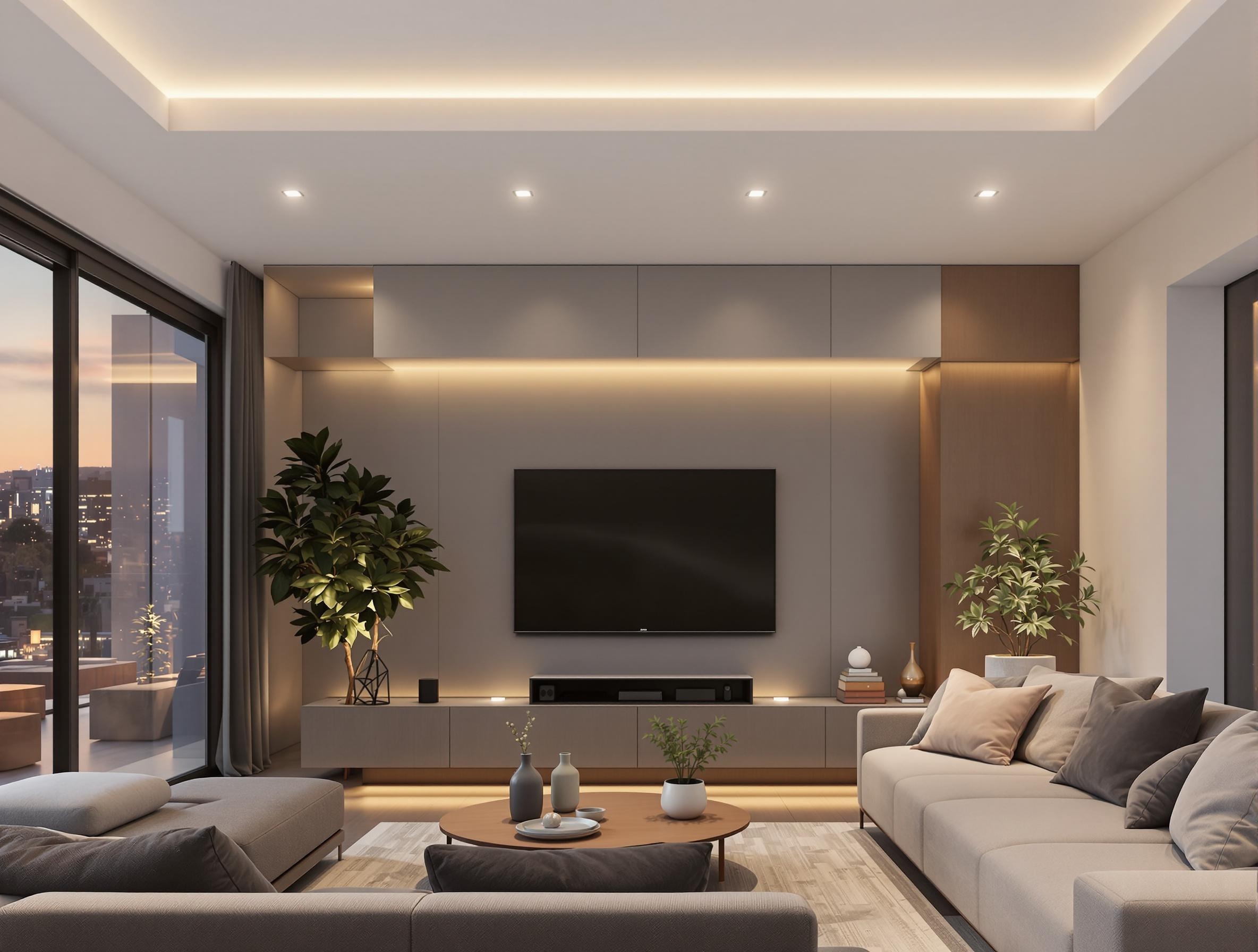
Smart Lighting Solutions

Smart Lighting

More than just turning lights on and off with your phone. Think automatic schedules, perfect dimming, and lights that adjust to your daily rhythm. The foundation of any smart home.

Start here if: You want immediate impact with the biggest bang for your buck.

See Our Top Picks →
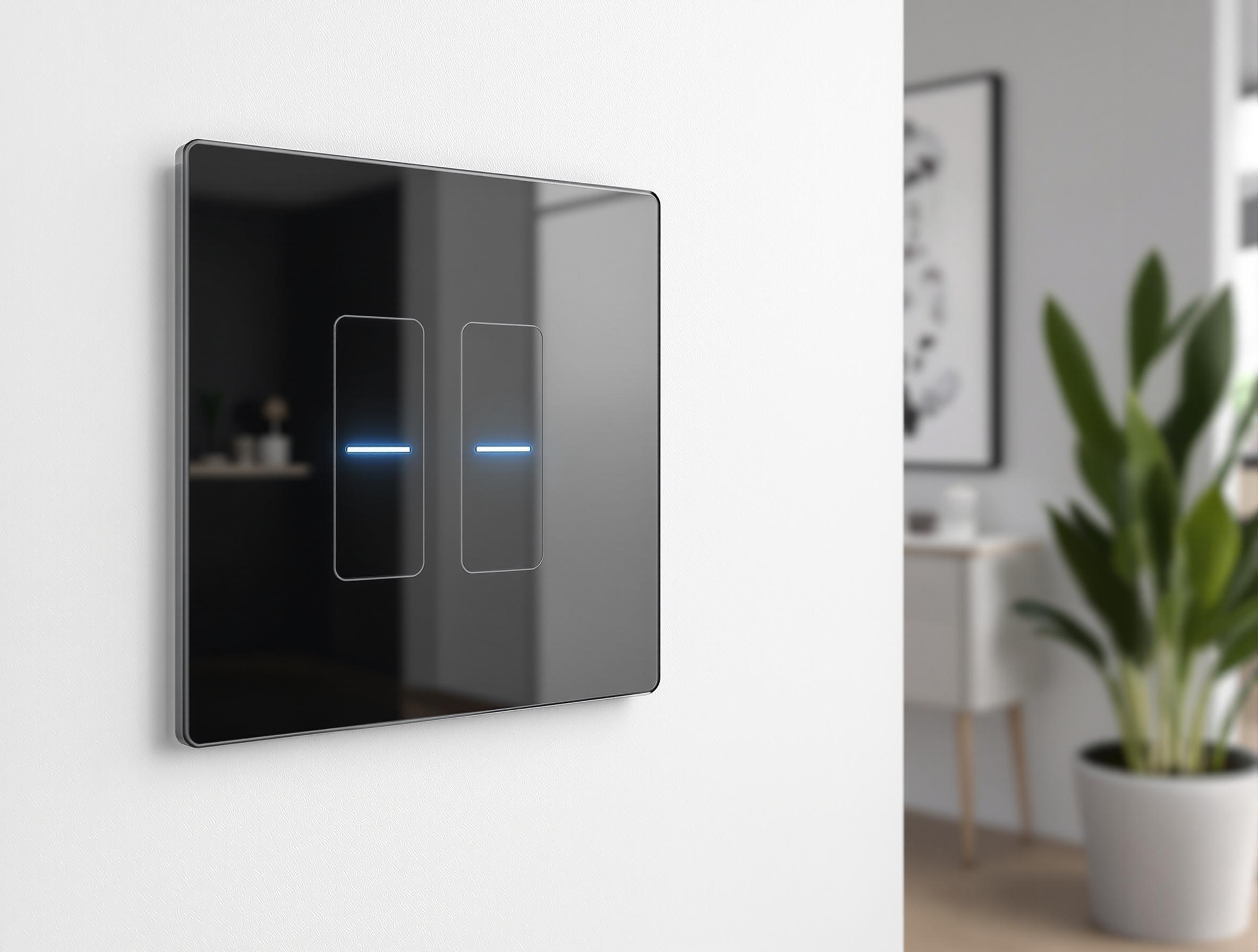
Smart Switches and Outlets

Smart Switches & Outlets

The invisible heroes of smart homes. Control any device, create schedules, and never worry about leaving something on again. Works with your existing lights and appliances.

Perfect for: Renters or anyone who doesn't want to replace existing fixtures.

Explore Switch Options →
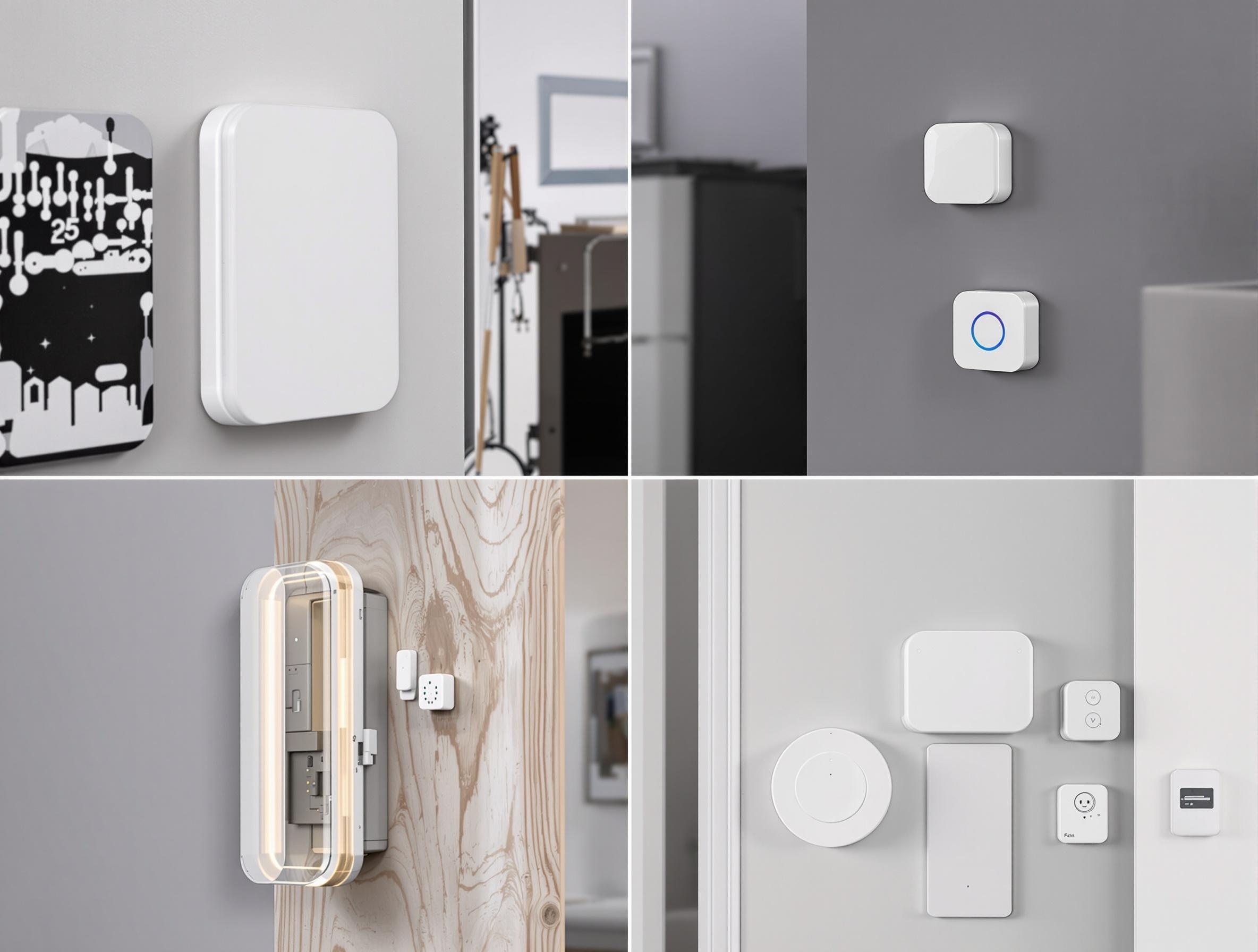
Smart Sensors

Smart Sensors

The eyes and ears of your smart home. Motion sensors for automatic lighting, temperature sensors for climate control, and door sensors for security - all working quietly in the background.

Game-changer for: Automation enthusiasts who want their home to think ahead.

Learn About Sensors →
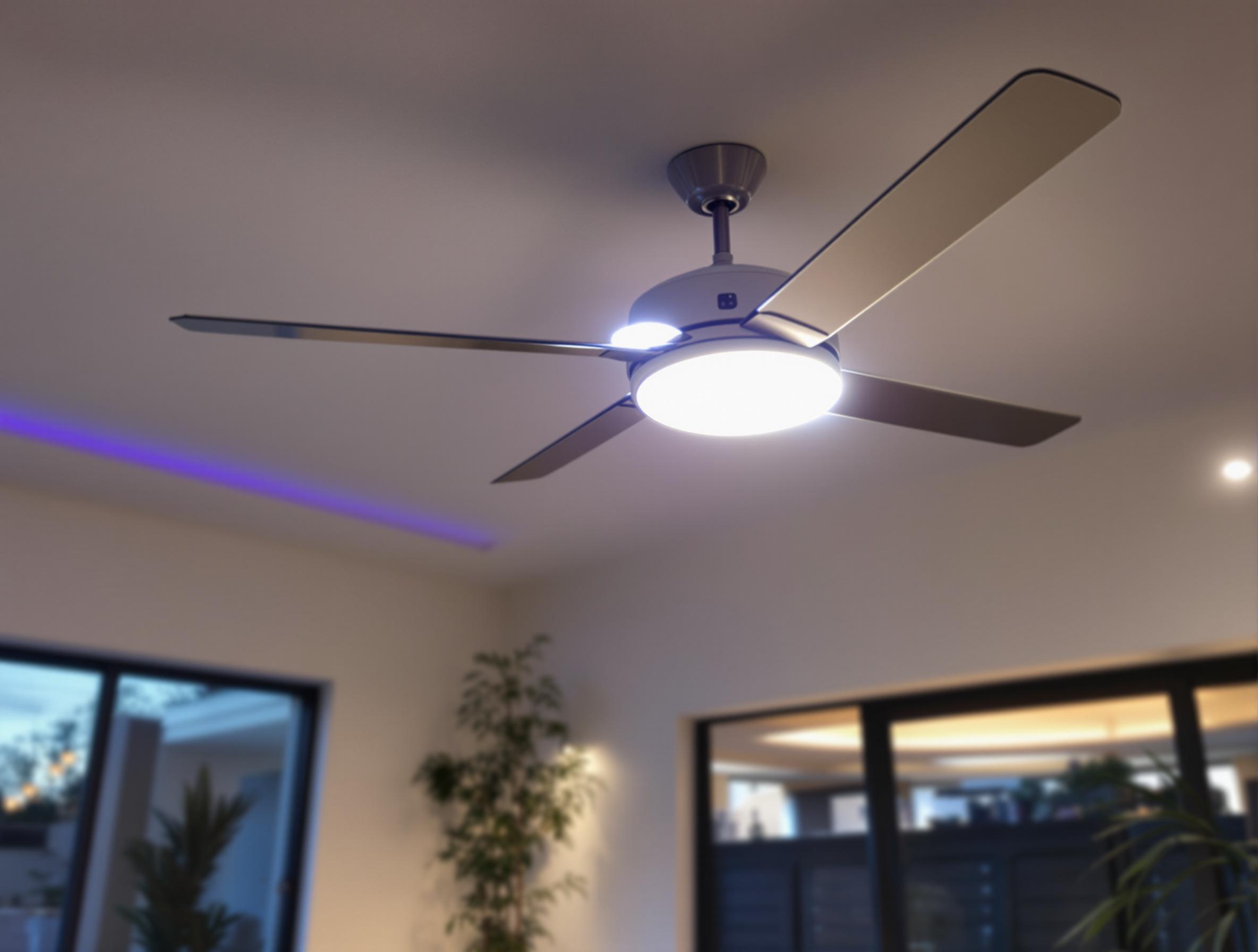
Smart Climate Control

Smart Climate Control

Ceiling fans that know when you're home, thermostats that learn your schedule, and climate zones that adjust automatically. Comfort and energy savings in one package.

Essential for: Australian homes where climate control is a year-round necessity.

Climate Solutions →
Smart Security

Smart Security

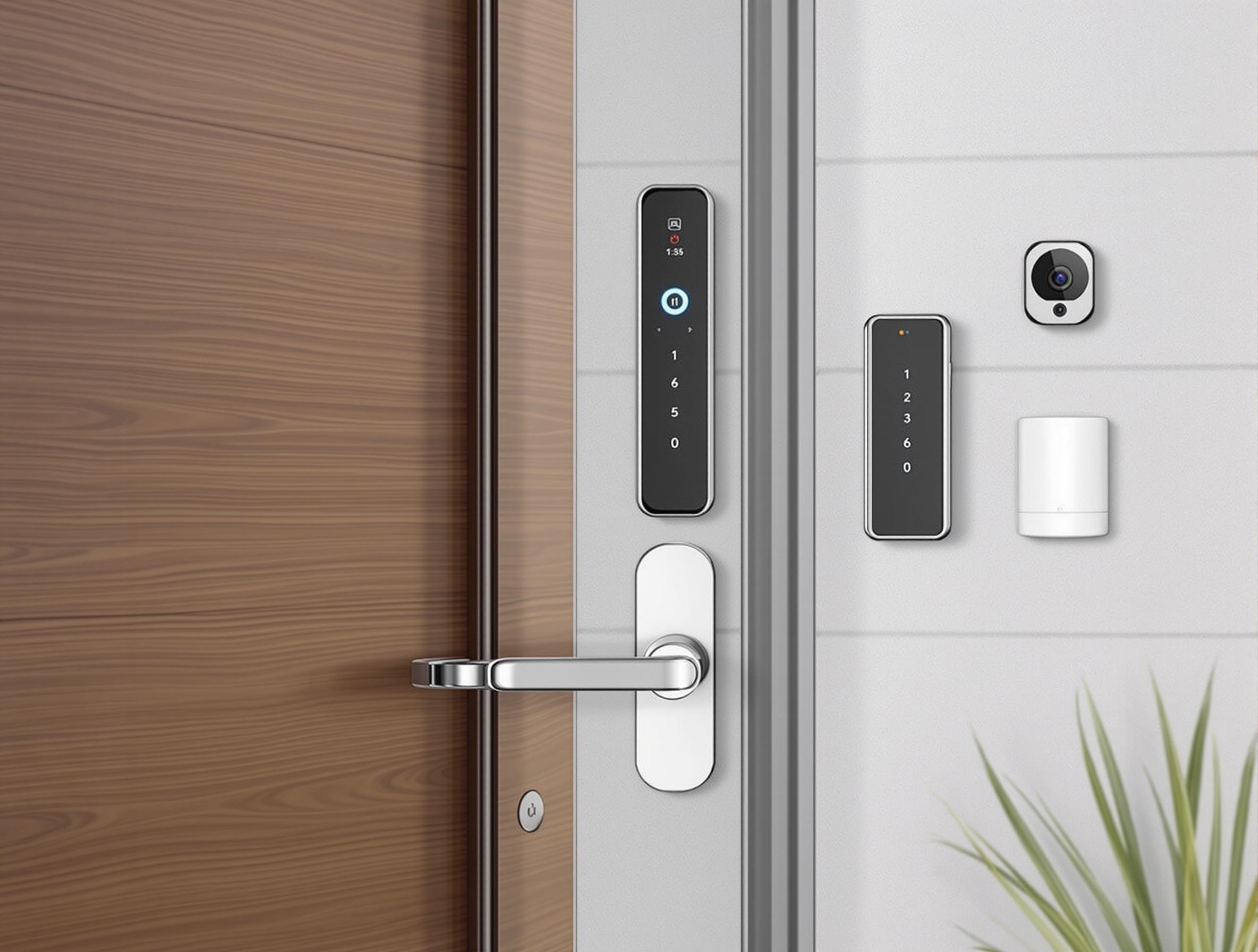
Door locks you control remotely, cameras that send alerts to your phone, and sensors that know the difference between your cat and an intruder. Peace of mind, simplified.

Priority for: Families wanting security without complicated systems.

Security Options →
Smart Entertainment

Smart Entertainment

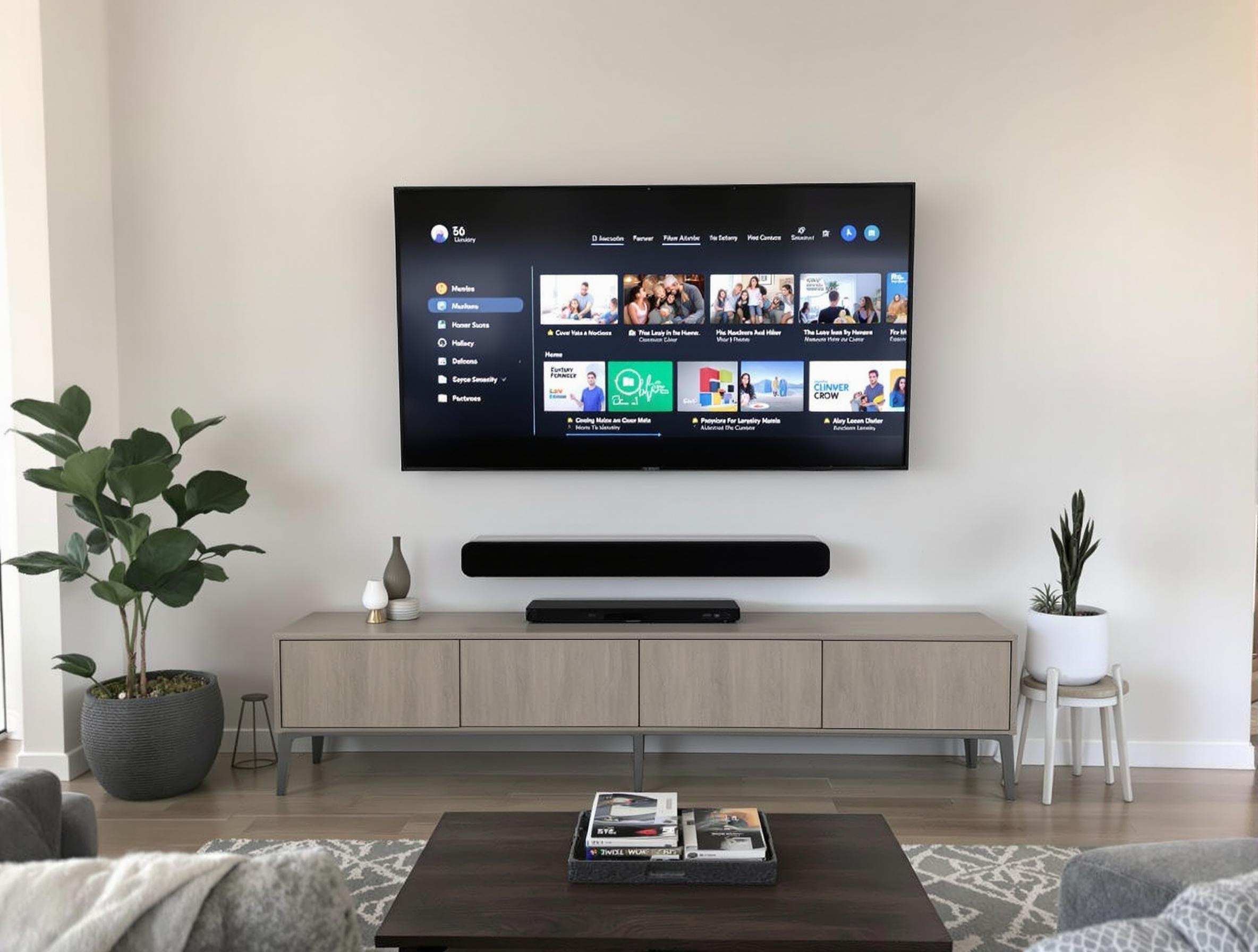
Voice assistants that control everything, speakers in every room, and entertainment systems that respond to your daily routine. Your home becomes the ultimate entertainment hub.

Perfect for: Tech enthusiasts and families who love seamless entertainment.

Entertainment Setup →
Your 5-Step Smart Home Buying Guide

Skip the overwhelm. Here's exactly how to choose smart home products that actually work for your lifestyle and budget.

1

Start With Your Daily Frustrations

Forget the fancy features. What annoys you every day? Walking into dark rooms? Forgetting to turn off lights? Start there - smart homes should solve real problems, not create new ones.

2

Choose Your Technology Foundation

This decision affects everything else. WiFi devices are tempting but unreliable. Zigbee mesh networks cost a bit more upfront but save frustration long-term. Think of it as your home's nervous system.

3

Plan Your Ecosystem

Don't mix and match randomly. Pick products that work together seamlessly. One app, one system, one simple experience. Your future self will thank you when everything just works.

4

Budget for Quality, Not Quantity

Better to have 5 reliable smart devices than 20 cheap ones that constantly disconnect. Quality products from established brands cost more initially but save money and sanity over time.

5

Consider Professional Installation

Some smart devices are DIY-friendly, others need an electrician. Factor installation costs into your budget and don't compromise on safety for savings. Australian electrical standards exist for good reasons.

Smart home journey pathway

Expert Recommendations: What Actually Works

After testing dozens of smart home products, here are the ones we actually recommend to friends and family.

Editor's Choice

Best Smart Home Starter Kit

If you're just getting started, look for a complete Zigbee starter kit from an Australian supplier. You want everything in one box: hub, switches, sensors, and clear instructions. Smart Homes Matter offers excellent starter kits with local support - crucial when you're learning.

Why this works: One supplier, one support contact, and products designed to work together perfectly.

View Recommended Starter Kits →
Best Value

Smart Switches That Don't Break the Bank

Forget expensive European brands that cost $200+ per switch. Australian-designed EyZEE switches offer the same functionality at a fraction of the cost, with local warranty and support. The decoupling feature alone makes them worth considering.

Real talk: We've tested switches costing 5x more that don't perform any better. Sometimes the best value is also the smartest choice.

Compare Smart Switch Options →
Most Reliable

Zigbee Mesh Network Products

After years of testing, Zigbee consistently outperforms WiFi smart devices. The mesh network gets stronger with each device, works without internet, and doesn't slow down your WiFi. For Australian homes, it's the clear winner.

Pro tip: Start with a quality Zigbee hub and build from there. Every device makes the network more reliable, not less.

Explore Zigbee Solutions →
Best Support

Australian Companies with Real People

When your smart home stops being smart, you need real help from real people. Companies like Smart Homes Matter offer direct access to the owners - no call centers, no overseas support. For complex technology, local expertise matters.

Why this matters: Smart homes are only as good as the support behind them. Choose suppliers who answer their phones.

Learn About Local Support →

Smart Home Questions Answered

The most common questions we get about smart home automation in Australia.

What's the best smart home system for beginners in Australia?

Zigbee-based systems are ideal for Australian beginners due to their reliability, mesh networking, and RCM certification compliance. Start with a complete starter kit from a local supplier like Smart Homes Matter for the best support experience.

Do I need an electrician for smart home installation?

In Australia, hardwired smart switches, outlets, and ceiling fixtures must be installed by a licensed electrician. However, plug-in devices, smart bulbs, and battery-operated sensors can be installed by homeowners safely.

How much does a smart home cost in Australia?

Basic starter kits begin around $150-300, with whole-home systems ranging $1,000-$5,000 depending on size and features. Quality Zigbee products offer better long-term value than cheap WiFi alternatives.